Sandalwood cultivation in Tamil Nadu presents a unique opportunity for farmers and agricultural entrepreneurs. With its ideal climate and soil conditions, the region is perfectly suited for growing high-quality sandalwood that meets both domestic and international standards.
Optimal Climate Conditions
Tamil Nadu's tropical climate with moderate rainfall (700-1200 mm annually) and temperatures ranging from 15°C to 35°C provides perfect conditions for sandalwood growth. The state's distinct wet and dry seasons help in proper heartwood formation, which is crucial for quality sandalwood.
Soil Requirements
Well-drained red loamy soil with pH levels between 6.0 and 7.5 is ideal for sandalwood cultivation. The soil should have good organic content and proper drainage to prevent waterlogging, which can damage the sensitive root system.
Cultivation Timeline
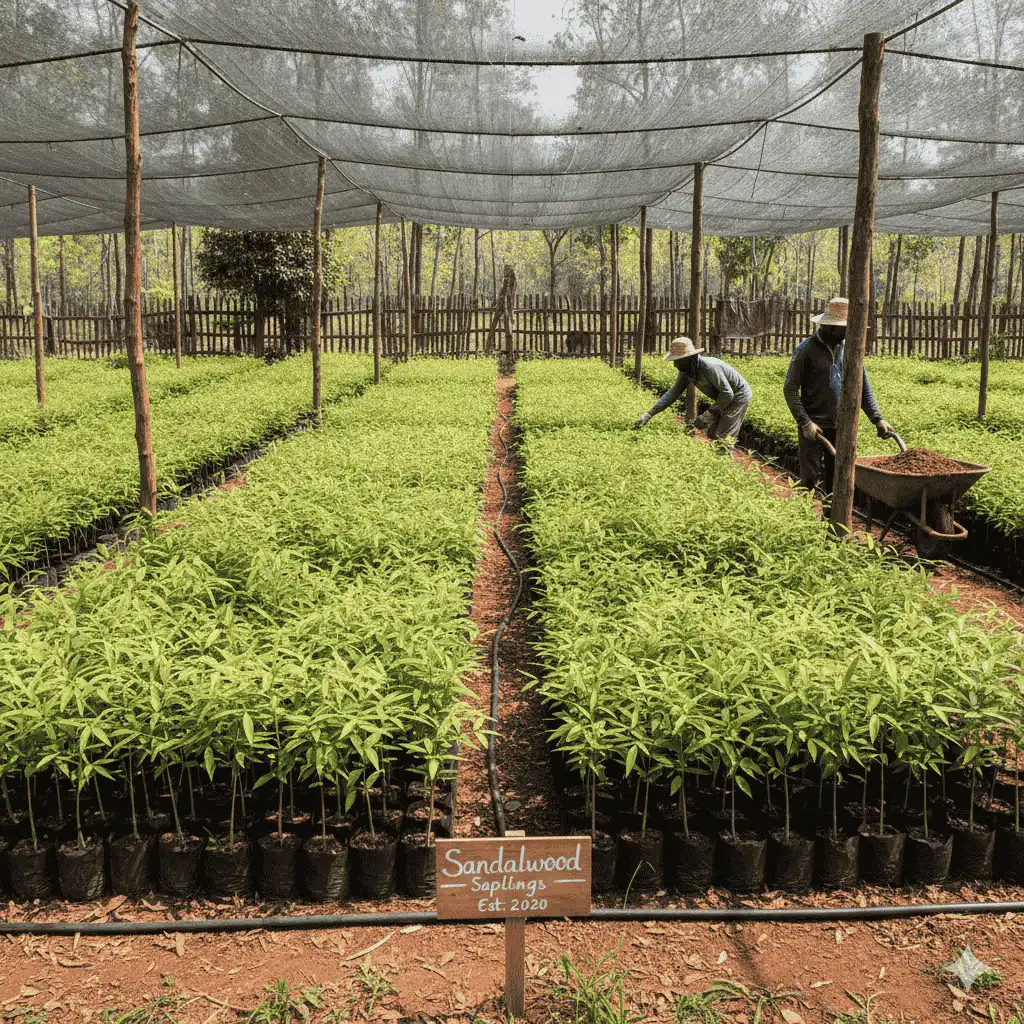
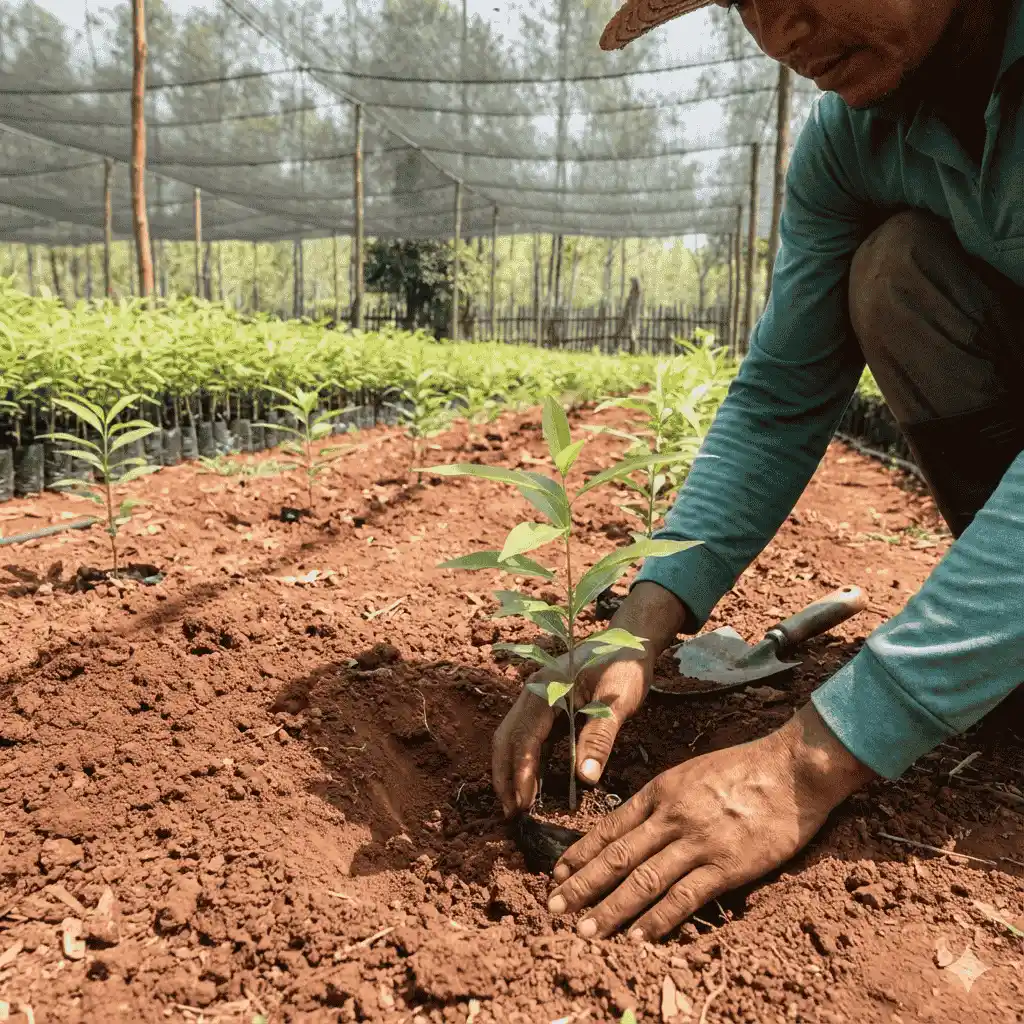
- Year 1-2: Nursery stage and initial transplantation
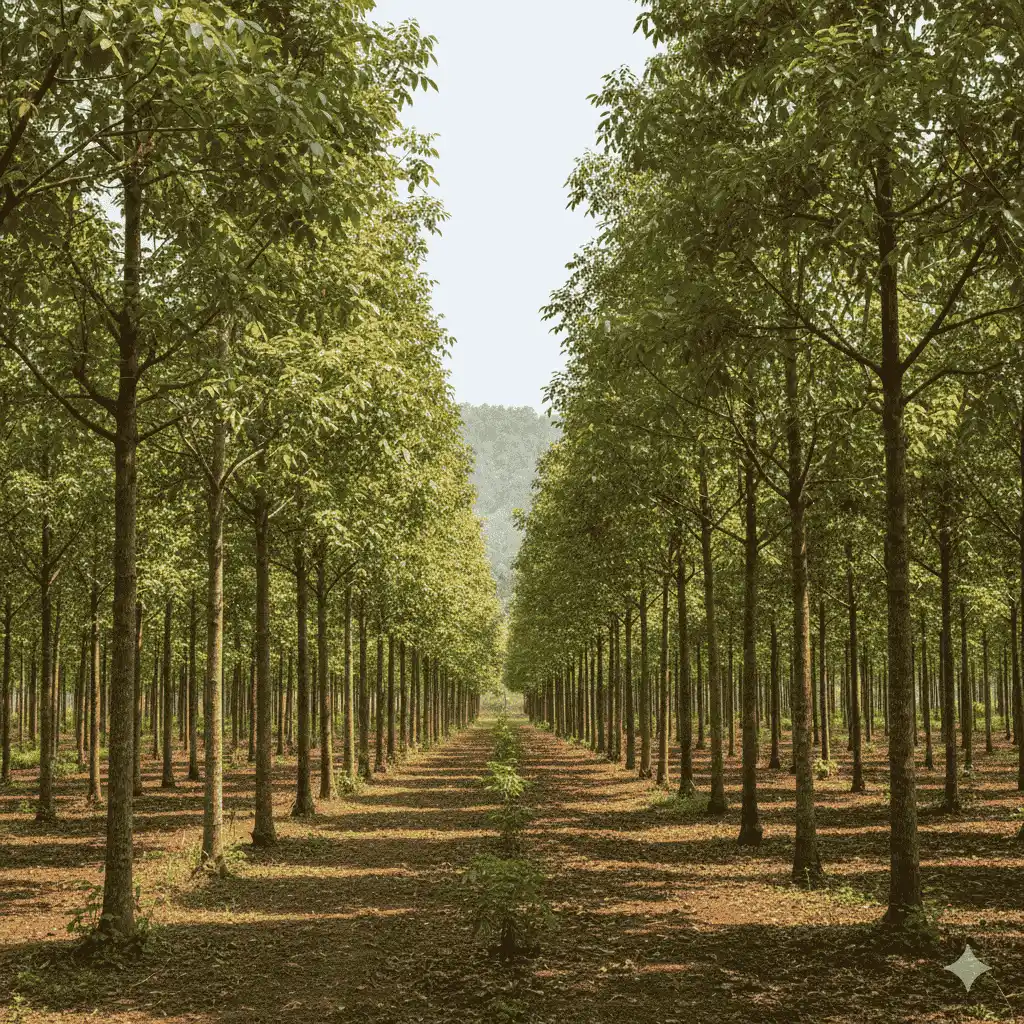
- Year 3-5: Active growth phase with proper canopy development
- Year 6-8: Heartwood formation begins
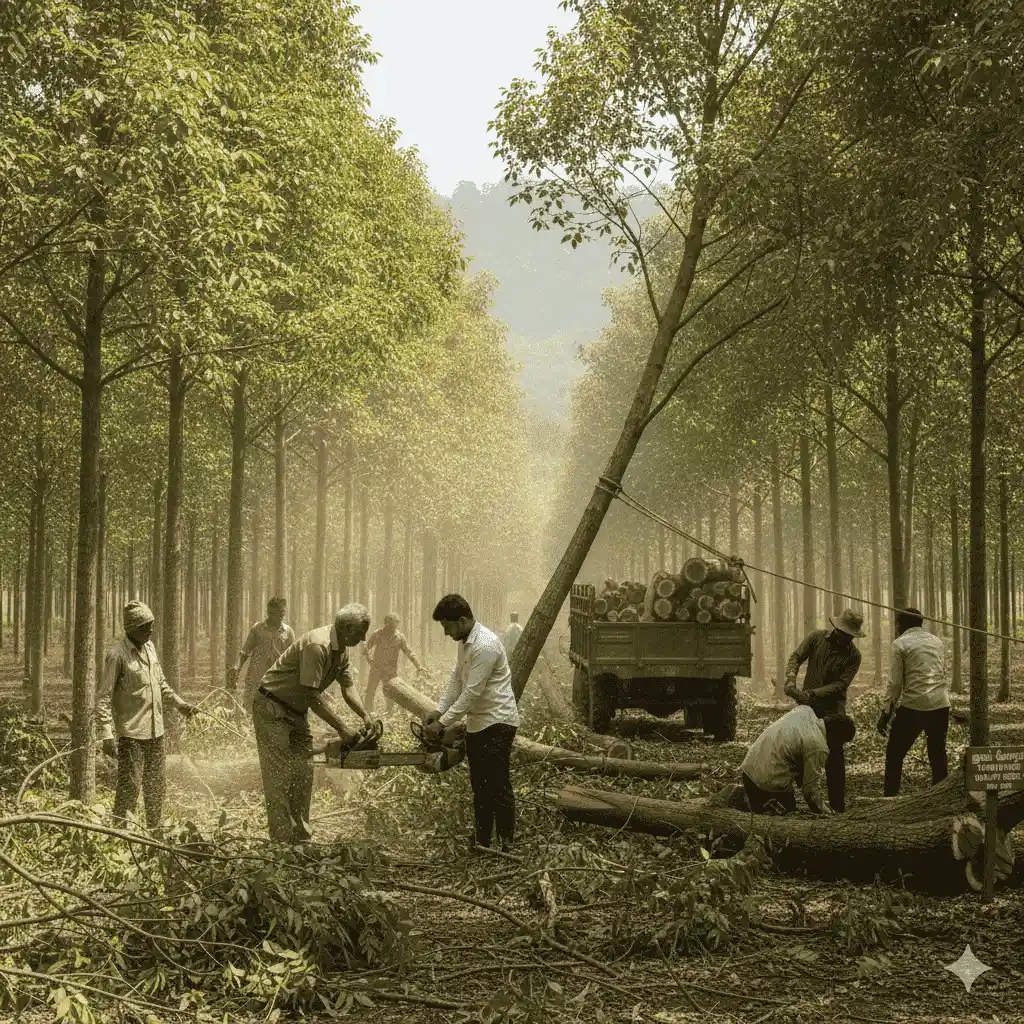
- Year 10+: Optimal harvesting period
Best Practices
Regular pruning, proper spacing (8x8 feet), and companion planting with host plants like casuarina or acacia significantly improve growth rates. Organic fertilizers and proper irrigation during dry months are essential for healthy development.
Government Support
Tamil Nadu government offers various schemes and subsidies for sandalwood cultivation, including sapling subsidies, technical guidance, and marketing support through the Forest Department.